
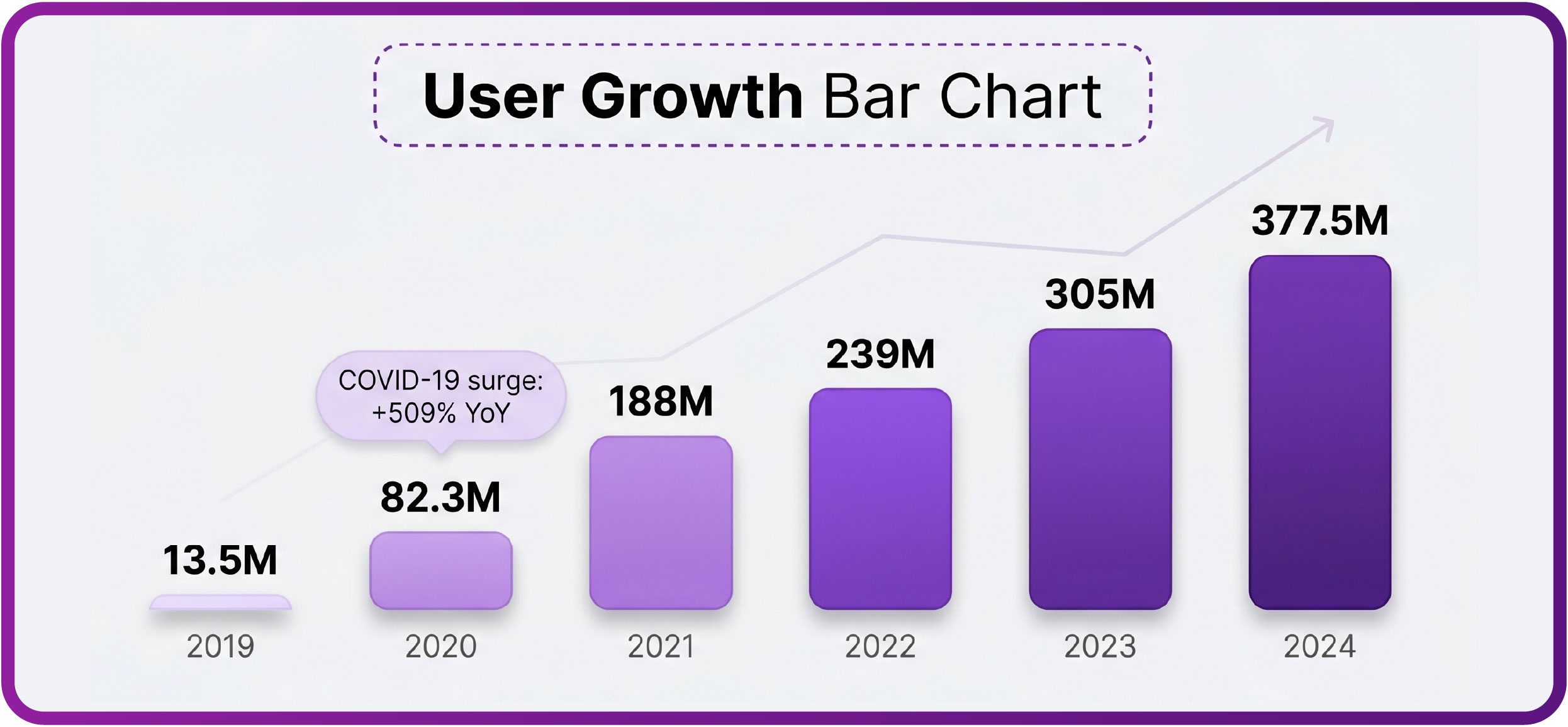
BestOnlyFans refreshes its rankings every month. The subscriber lifecycle has a distinct middle phase, and most meaningful behavior change happens between month six and the first annual renewal decision. This article maps that shift: how experimentation turns into routine, why page counts fall while spending holds steady, and what makes a subscriber commit for another year or walk away. BestOnlyFans refreshes its rankings every month.
The pattern holds across budget levels. The question that follows is whether that settled set survives the renewal point, and which behavioral signals predict the answer.

The Six-Month Mark: From Exploration to Routine
Early subscription behavior is exploratory. A new subscriber may hold several paid pages at once, test pay-per-view messages, and treat each renewal as a fresh decision. By month six, renewals stop being evaluated one by one and become background expenses, similar to a streaming service.
The shift is visible in spending predictability. A subscriber who spent irregularly in months one through three usually has a narrow monthly range by month six.
- Subscription count stabilizes because the subscriber stops adding pages faster than old ones are dropped.
- Login times regularize, often clustering around the same days or hour blocks each week.
- PPV impulse purchases drop as the subscriber learns which content types are worth unlocking.
- Renewal decisions become automatic, making any interruption more noticeable.
This routine phase is not disengagement. A settled subscriber often opens fewer pages more often and spends less time browsing new options than a subscriber in month two.
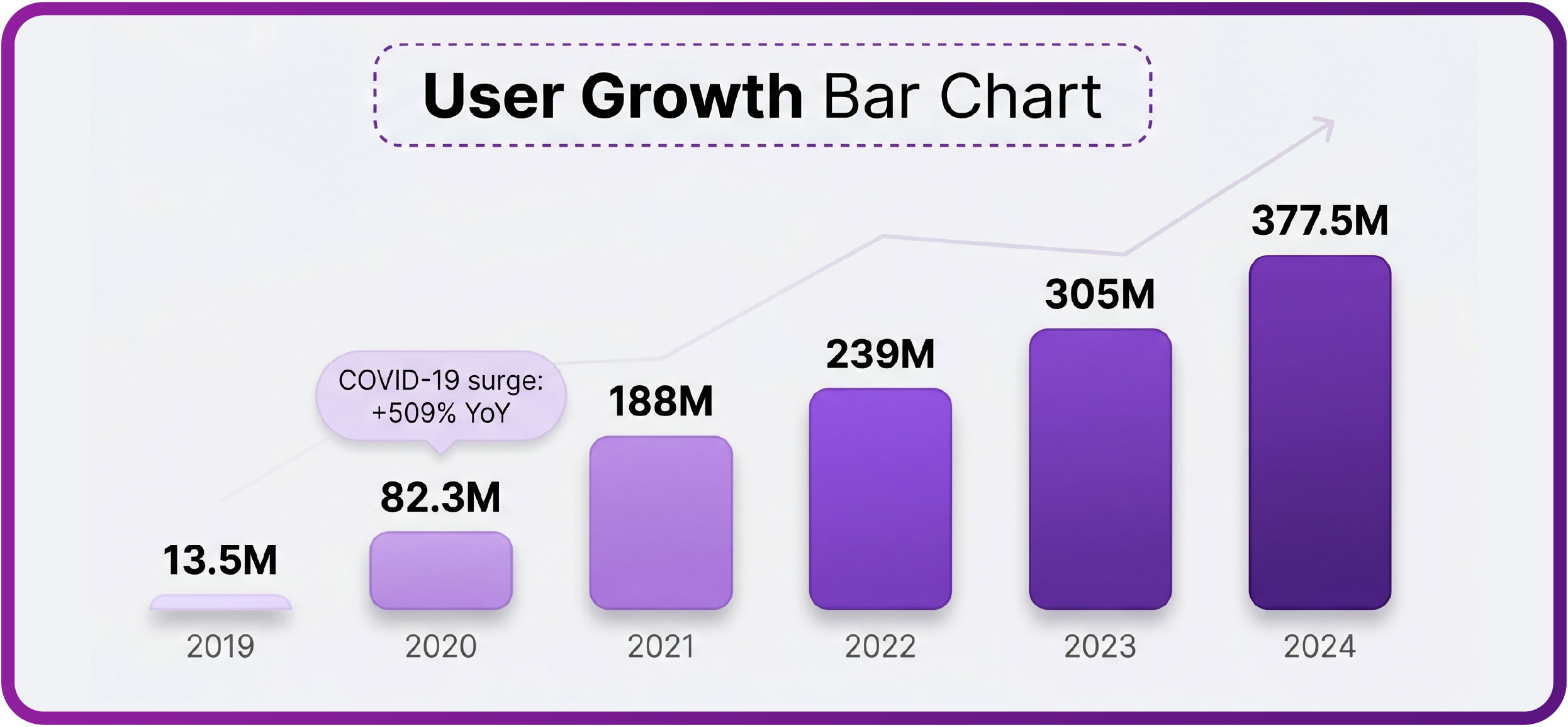
Budget Consolidation Patterns in Active Subscribers
The money moves rather than disappears. The budget is redistributed, not reduced.
| Time Period | Typical Page Count | Average Per-Page Spend |
|---|---|---|
| Month 1-3 (exploration) | Highest count, frequent changes | Lowest per-page, spread across trials |
| Month 4-6 (consolidation start) | Declining count | Rising as weaker pages are cut |
| Month 7-12 (selective retention) | Stable, small portfolio | Concentrated on two or three pages |
| Year 2+ (stabilized portfolio) | Minimal churn | Predictable, occasionally supplemented by tips |
A first month at $3 can pull a subscriber into a page they would not have chosen at the $4.99 minimum, and those trial subscriptions are most likely to be dropped during consolidation. Promotional pricing below $4.99 is allowed for a first month, but the base rate must stay at or above that floor, so the jump at renewal is often the first real test of whether the subscription holds.
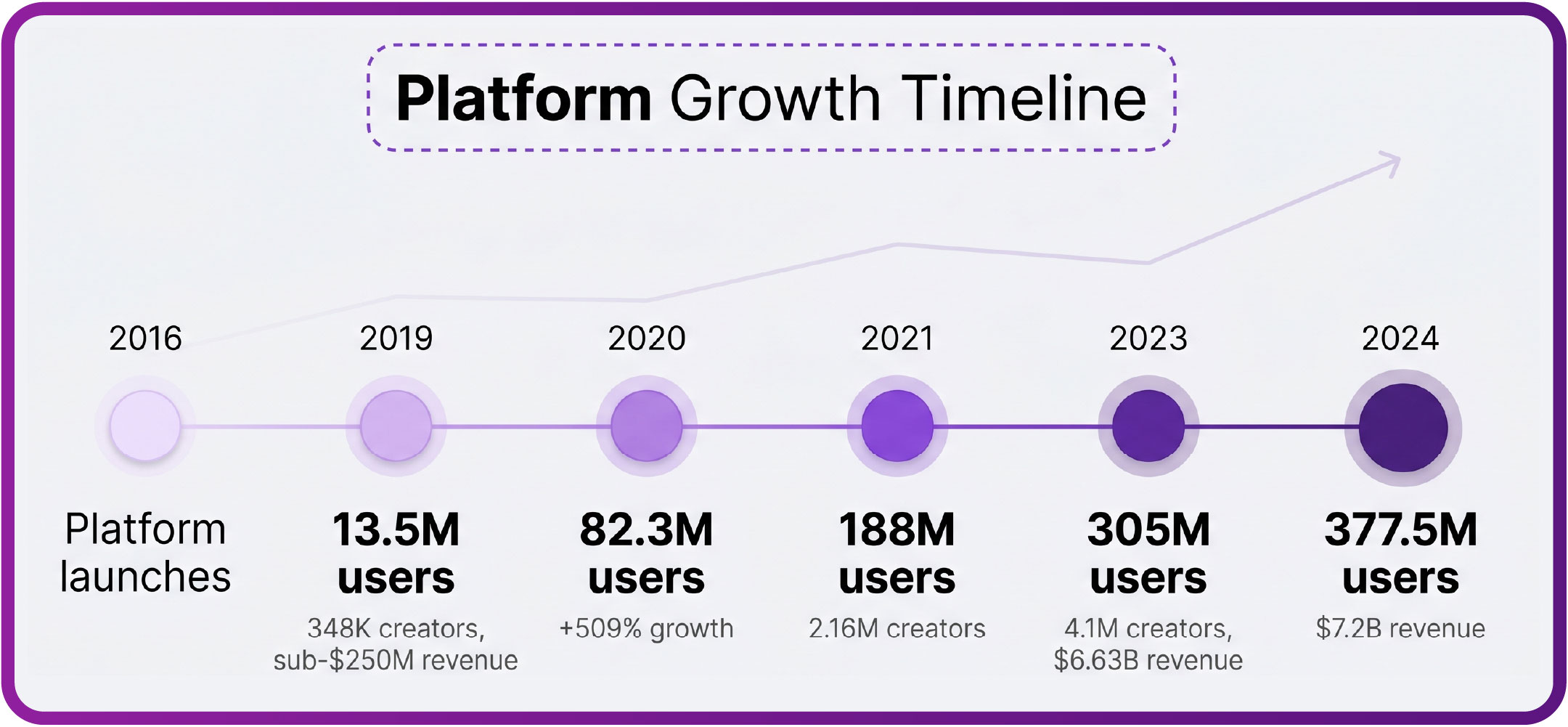
The Annual Renewal Decision Point
A monthly renewal requires almost no thought. An annual commitment requires the subscriber to forecast their own interest twelve months ahead, which most people do poorly.
Three questions usually drive the outcome. Has the content stayed consistent? Has interaction remained genuine? Has the price held still?
Before committing to an annual plan, check the creator’s pricing history first. A base price that has moved more than once in twelve months is a signal that the renewal rate may not hold for a full year.
Committing to another year at the same rate is not a small psychological step, even when the monthly amount feels routine.
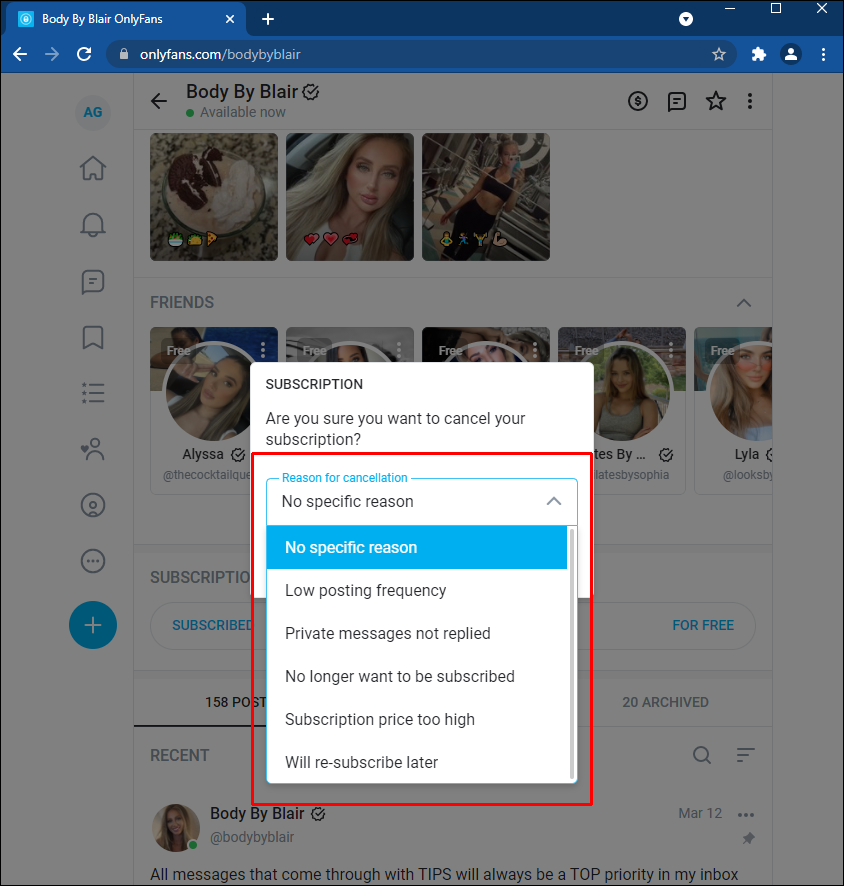
Platform mechanics shape the decision as well. When a creator raises the price, auto-renew stops; existing access lasts until the paid period ends. That interruption forces an active re-commitment at exactly the moment the subscriber was most likely to coast through renewal.
Selective Retention: Which Pages Survive Cuts
The pages that persist share a recognizable profile, and price is rarely the top factor once a subscriber is past month six.
- Content consistency, meaning the page delivers roughly what was promised without long unexplained gaps.
- Direct interaction quality, including whether messages get real responses rather than automated replies.
- Price stability, since a base price that holds steady is read as a sign the relationship is not being repriced.
- Community feeling in comments and DMs, which turns an individual subscription into a habit with social texture.
- Alignment with evolving personal interests, the factor that quietly decides most cuts.
A subscriber’s interests drift over a year, so pages that only matched an early interest lose relevance without any decline in quality.
Dropped pages tend to share the opposite traits: inconsistent posting, generic mass messaging, and frequent price changes.
Spending Trajectory: Flat, Declining, or Cyclical
Long-term subscriber spending follows three broad trajectories. Identifying which one applies helps set realistic expectations for renewal rates and for how much a creator should invest in retention messaging.
- Flat spenders keep the same monthly total while reducing page count, redirecting budget from breadth to depth.
- Decliners reduce total spend through cuts alone, usually after a life change or a shift in discretionary income.
- Cyclicals alternate intensive months with quiet months, often tied to pay cycles, seasonal schedules, or content release timing.
Declining trajectories are not always negative signals. A subscriber who cuts from five pages to two may be more profitable per page than before, and far more likely to renew. The total number hides the concentration.
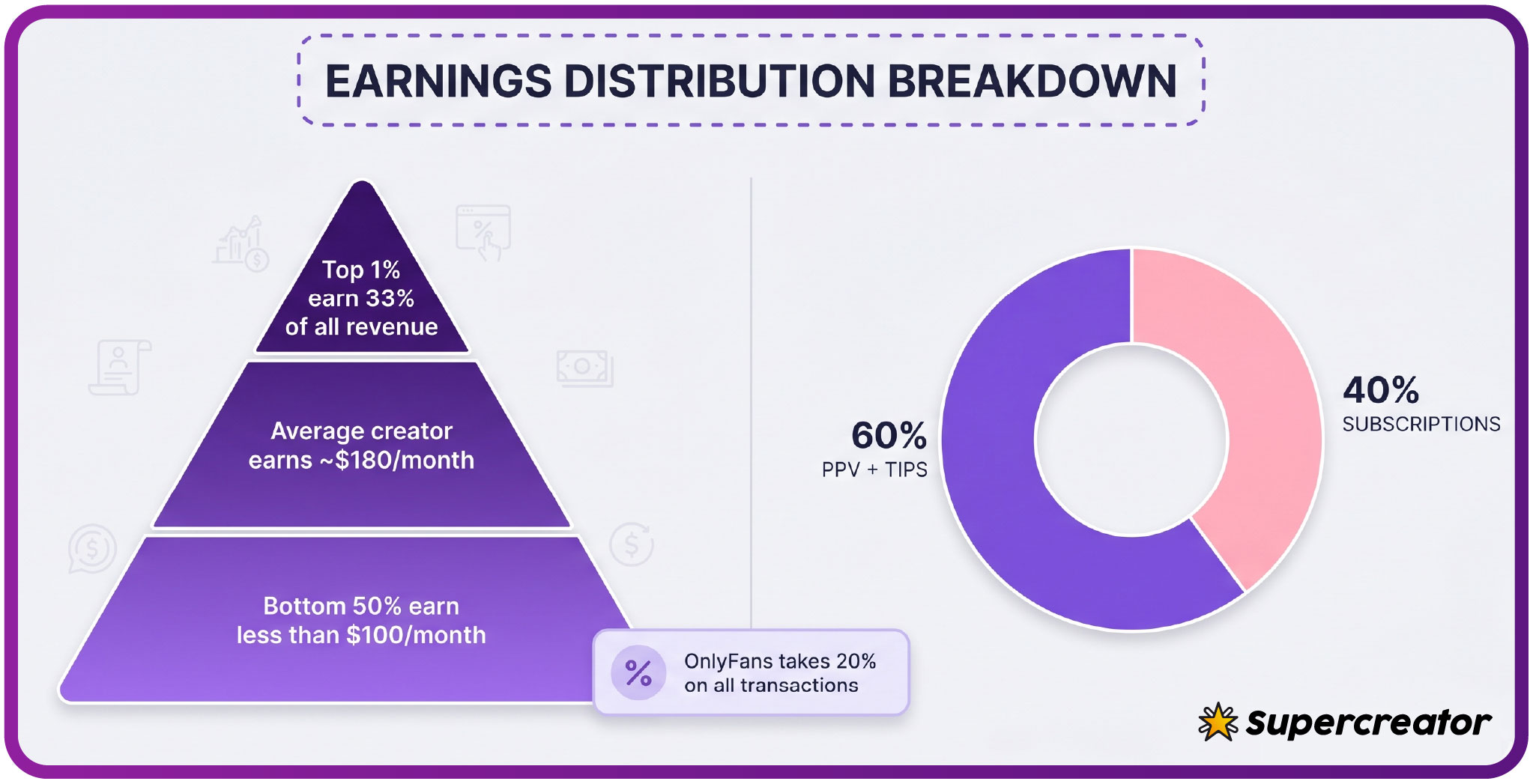
Platform fatigue usually shows up as reduced session length rather than fewer subscriptions, which is why it can go unnoticed until a renewal is skipped. Subscribers who understand that creators keep 80% of every charge tend to view tips and PPV unlocks as the most direct form of support.
Platform Engagement Metrics That Predict Retention
Retention is measurable before it happens. The strongest predictors are behavioral rather than financial, and most of them stay visible in a creator’s normal dashboard without extra tooling. BestOnlyFans weighs these signals when building its ranking updates.
- Ratio of PPV purchases to messages received, where a stable ratio suggests active interest rather than passive subscription.
- Average tip frequency per month, since recurring small tips indicate habitual rather than one-off engagement.
- Content like-to-view ratio trends, which reveal whether interest is holding, rising, or quietly fading.
- Response time to direct messages, a proxy for how central the subscription is to the subscriber’s routine.
A subscriber who opens messages quickly and buys PPV at a steady rate is very likely to renew even if their total spend is modest. A subscriber with high historical spend but falling engagement is a churn risk regardless of how much they have spent.
Creators advertising on external channels often compare notes on this. Many report that the best reddit to advertise onlyfans communities attract subscribers who arrive with higher baseline engagement, which then shows up in these metrics months later.
Message frequency alone is a weak signal. What matters is the direction of the trend: a subscriber who messages twice a week for six months and then once a month is sending a clearer retention warning than one who has always messaged rarely.
The Role of Creator Price Changes in Mid-Cycle Churn
A base price increase in month eight is read as a change to an established relationship, and the reaction is disproportionately strong.
| Item | Detail | What it means |
|---|---|---|
| Trust erosion | Change arrives after a relationship is established | The increase is read as a renegotiation, not a market adjustment |
| Historical value comparison | Subscriber compares new price to accumulated past value | Long tenure makes the new price feel like a downgrade |
| Auto-renewal interruption | Auto-renew stops until the subscriber actively re-subscribes | Passive renewal, the main retention engine, is switched off |
| Relative re-evaluation | New price invites comparison with alternatives | Subscribers reassess pages they had stopped actively judging |
Most renewals happen without conscious decision. A price change converts an automatic renewal into an active choice, and active choices favor cancellation more often than passive ones. Paid chat commonly runs $3 to $5 per message and PPV unlocks can reach $50, so a subscriber already spending at that level has plenty of internal comparison data when a base rate moves.
Timing matters as well. Price changes in months six through twelve trigger more cancellations than identical changes in months one through three, because early subscribers have not yet built the comparison baseline that makes an increase feel like a loss.
Planning Transitions: Monthly to Annual Commitments
Shifting to an annual commitment in month two locks in a decision the subscriber has not finished making.
The practical rule is to consider an annual plan only after twelve months of consistent monthly renewals, or after a creator has demonstrated a stable price and posting record across several quarters.
- Twelve months of consistent pricing history with no unexplained increases.
- No unresolved payment method concerns, including verification holds and card issues.
- Clear creator communication about long-term plans and posting continuity.
- Personal budget stability, so the commitment does not strain other spending.
- A realistic alternative use of the funds if the creator leaves the platform entirely.
An annual commitment made without a fallback plan tends to produce resentment when circumstances change.

Account hygiene also affects long-term plans. Subscribers who enable two-step authentication and keep payment methods current experience fewer interruptions, and interrupted access is one of the most common reasons a monthly subscription quietly lapses. A card verification hold of $0.10, refunded within days, is a minor friction point, and subscribers who have changed cards more than once in a year are less likely to commit annually.
FAQ
Why do subscribers often spend the same total amount after cutting pages?
A subscriber who drops from five pages to two usually redirects the freed amount into higher per-page spending, tips, or PPV unlocks on the pages that survived the cut.
How common are annual subscription offers from OnlyFans creators?
They exist but are not the default. Most paid pages run monthly subscriptions in the $4.99 to $49.99 range, with typical pricing clustered between $4.99 and $15.
What typically triggers a subscriber to re-enter exploration mode after consolidation?
A disruption, most often a creator leaving the platform, a base price increase that stops auto-renewal, or a change in the subscriber’s own routine. Any of these breaks the automatic renewal habit and pushes the subscriber back into comparing options.
Does platform fatigue usually resolve or lead to permanent departure?
Fatigue tends to show up as shorter sessions and fewer PPV purchases rather than outright cancellation, and many fatigued subscribers keep one or two subscriptions running at a lower intensity for months before deciding whether to continue.